
Top 5 Best Electric Cars for Africa in 2026: Affordable, Reliable, and Practical
Electric vehicles are no longer a futuristic concept in Africa. As fuel prices continue to rise and charging infrastructure gradually expands, more drivers are beginning to consider electric cars as a practical alternative to traditional gasoline and diesel vehicles.
However, not every EV is suitable for African conditions. Factors such as driving range, road quality, maintenance costs, spare parts availability, and charging flexibility play a major role in determining which electric vehicles make sense for African drivers.
If you’re looking for an EV that offers good value, reliability, and real-world usability, here are five of the best electric cars for Africa in 2026.
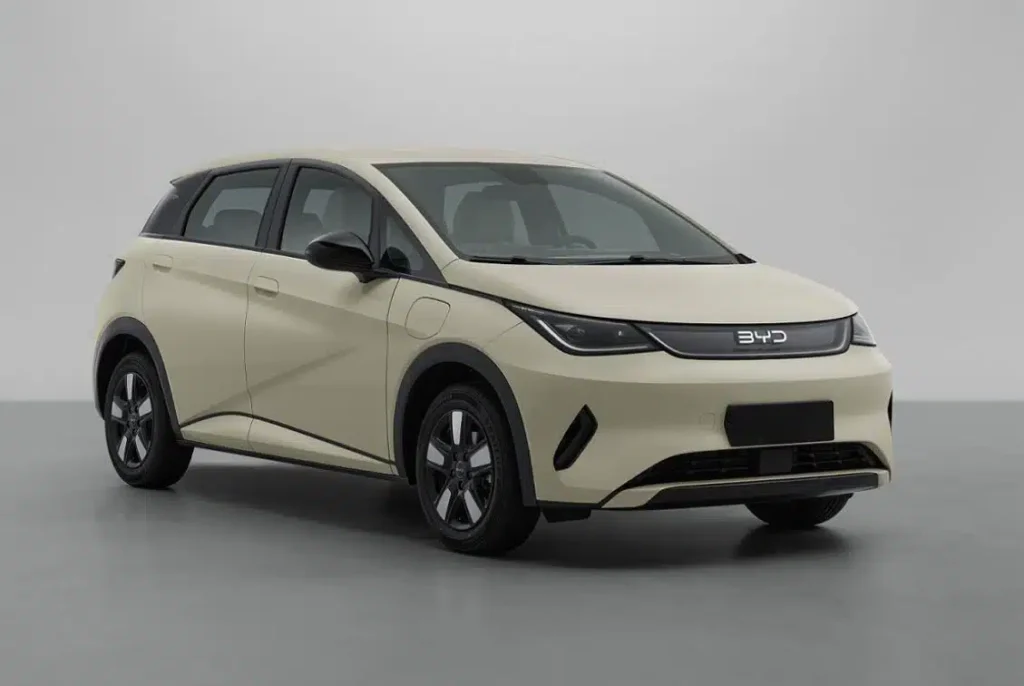
1. BYD Dolphin
The BYD Dolphin has become one of the most popular affordable electric vehicles worldwide. Its combination of modern technology, practical range, and competitive pricing makes it a strong choice for African markets.
One of its biggest advantages is BYD’s Blade Battery technology, which is known for its safety and durability. The vehicle also offers a comfortable interior and low operating costs.
Key Advantages
- Affordable purchase price
- Reliable Blade Battery technology
- Good driving range for daily use
- Low maintenance requirements
- Modern safety features
Best For
Urban commuters and families looking for an affordable EV.
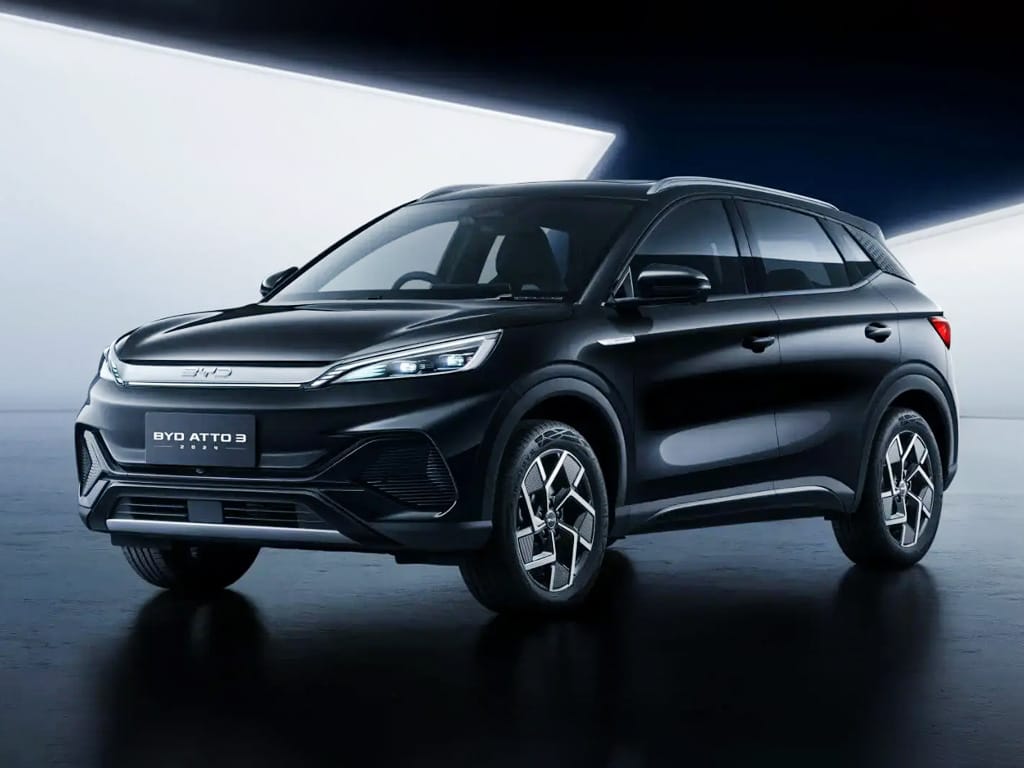
2. BYD Atto 3
The BYD Atto 3 has gained popularity in many countries because it offers SUV practicality at a reasonable price.
African drivers often prefer SUVs due to road conditions and ground clearance. The Atto 3 delivers a comfortable ride, spacious cabin, and respectable driving range.
Key Advantages
- SUV design with higher ground clearance
- Spacious interior
- Advanced safety systems
- Efficient battery management
- Strong value for money
Best For
Families and drivers who frequently travel outside major cities.
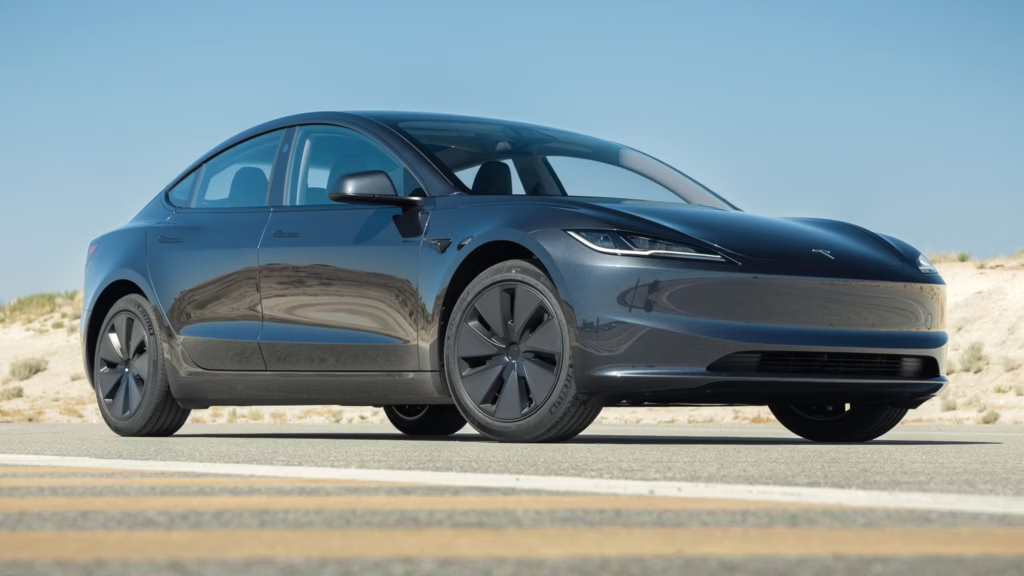
3. Tesla Model 3
The Tesla Model 3 remains one of the most recognized electric vehicles in the world.
It offers excellent range, strong performance, and advanced software features. While it may be more expensive than some competitors, it provides a premium EV experience.
Tesla’s over-the-air software updates allow the vehicle to receive improvements without visiting a service center.
Key Advantages
- Excellent driving range
- Advanced technology
- Strong safety ratings
- Fast charging capability
- Regular software updates
Best For
Drivers seeking premium technology and long-distance capability.
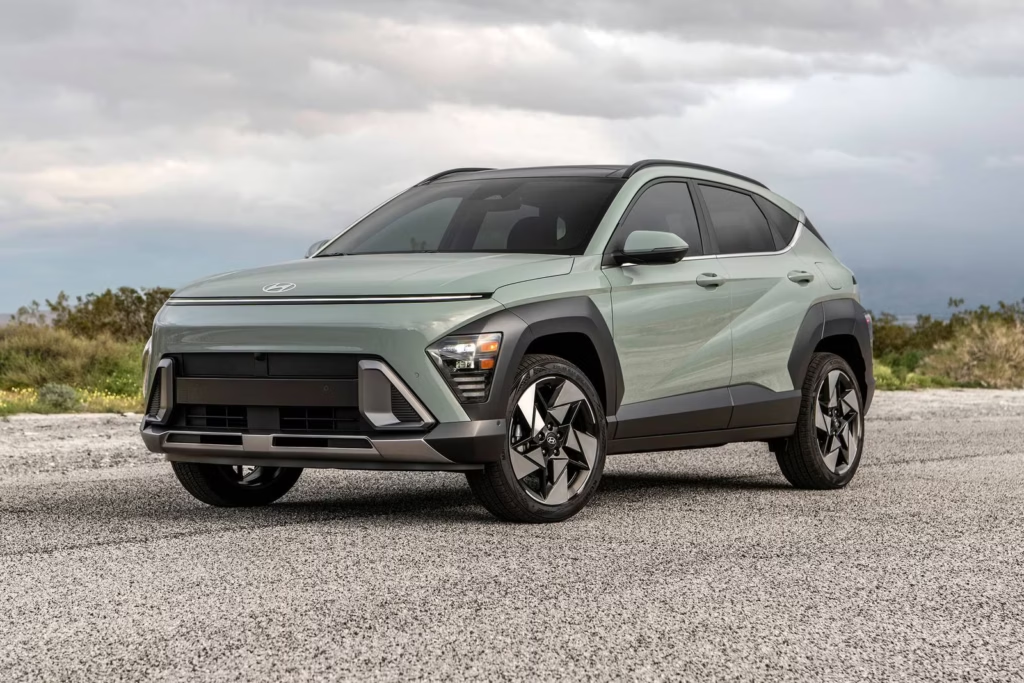
4. Hyundai Kona Electric
The Hyundai Kona Electric has earned a reputation for reliability and efficiency.
Its long range and practical design make it particularly attractive for regions where charging stations are still limited. Many owners appreciate its balance between performance, comfort, and affordability.
Key Advantages
- Long driving range
- Proven reliability
- Comfortable interior
- Efficient energy consumption
- Strong warranty support
Best For
Drivers who regularly travel longer distances.
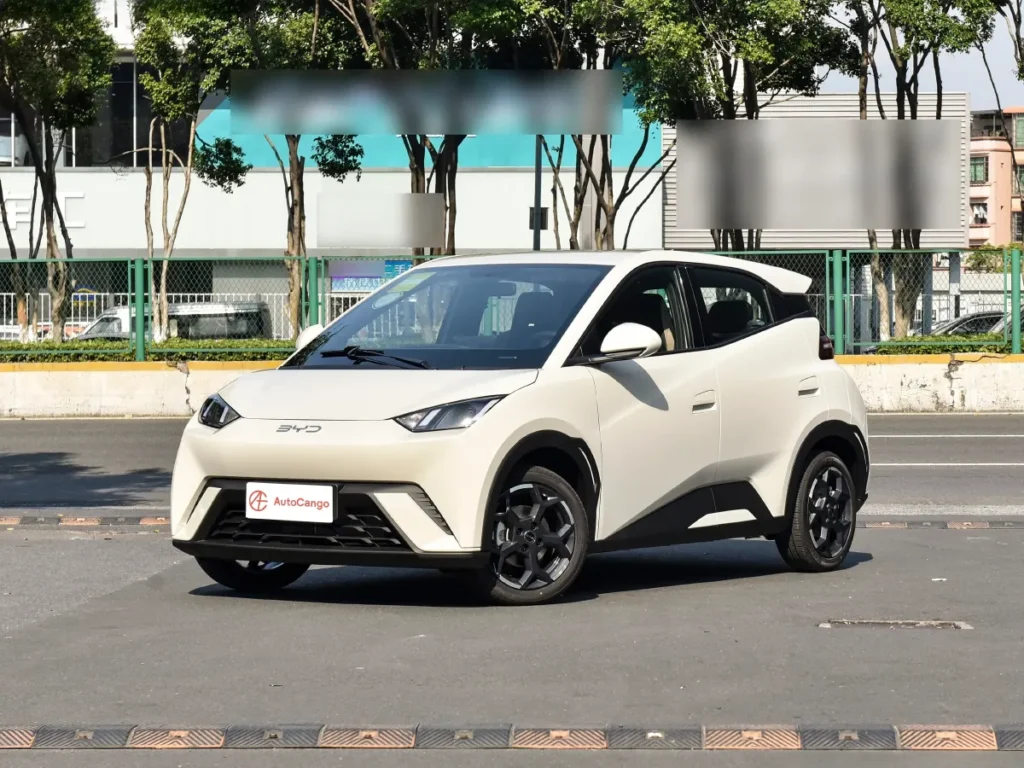
5. BYD Seagull
The BYD Seagull has quickly become one of the most talked-about electric vehicles in the world. Designed as a compact and affordable EV, it offers an impressive combination of efficiency, safety, and value.
For many African drivers, affordability is one of the biggest barriers to EV ownership. The BYD Seagull helps address this challenge by providing modern electric vehicle technology at a price that is often lower than many competing EVs.
Powered by BYD’s Blade Battery technology, the Seagull offers excellent safety, durability, and energy efficiency. Its compact size makes it ideal for city driving, while its practical range is more than sufficient for daily commuting and urban transportation.
Key Advantages
- Affordable purchase price
- Safe and reliable Blade Battery
- Low operating and maintenance costs
- Modern design and technology
- Excellent energy efficiency
Best For
First-time EV buyers, city commuters, ride-hailing drivers, and budget-conscious families looking to switch to electric mobility.
What Makes an EV Suitable for Africa?
Before buying an electric vehicle, African drivers should consider several important factors:
Driving Range
Longer range means fewer charging stops and greater flexibility, especially in regions where charging infrastructure is still developing.
Ground Clearance
Many roads outside major cities can be rough. Vehicles with higher ground clearance are often more practical.
Battery Reliability
A durable battery is essential because battery replacement can be expensive. Buyers should prioritize manufacturers with a strong reputation for battery quality.
Service and Spare Parts
Access to qualified technicians and spare parts is important for long-term ownership.
Charging Options
Vehicles that support multiple charging methods provide greater convenience and flexibility.
The Future of Electric Vehicles in Africa
Electric vehicle adoption across Africa is expected to grow significantly during the coming years. Governments, businesses, and private investors are increasingly supporting charging infrastructure and renewable energy projects.
As battery technology improves and vehicle prices become more affordable, EVs are likely to play an increasingly important role in African transportation.
For many drivers, the shift to electric mobility is no longer a question of if, but when.
Final Thoughts
Electric vehicles are becoming more practical and accessible across Africa. While challenges such as charging infrastructure and vehicle availability still exist in some regions, the benefits of EV ownership are becoming increasingly difficult to ignore.
The BYD Dolphin and BYD Seagull stand out as affordable options for everyday drivers, while the BYD Atto 3 offers extra space and versatility for families. The Hyundai Kona Electric continues to impress with its reliability and long driving range, and the Tesla Model 3 remains an excellent choice for those seeking cutting-edge technology and premium performance.
The best electric car for you will depend on your budget, driving habits, and local charging options. However, one thing is clear: electric mobility is no longer the future of transportation in Africa; it is already becoming part of the present.
As EV technology continues to improve and prices become more competitive, more African drivers will have the opportunity to enjoy cleaner, quieter, and more affordable transportation.