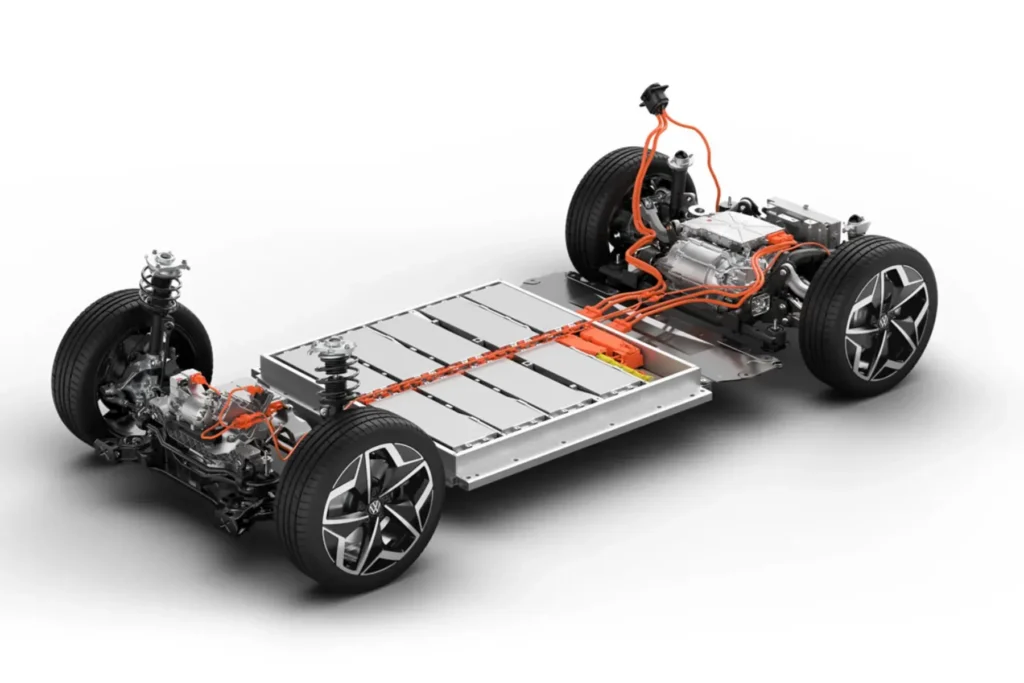

Solid-State Batteries: The Next Revolution in Electric Vehicles?
Electric vehicles have come a long way over the past decade. What was once considered a niche technology is now becoming the future of transportation. EVs are quieter, cleaner, and cheaper to operate than traditional gasoline-powered vehicles. However, one challenge continues to concern many drivers: battery performance.
Most modern electric vehicles use lithium-ion batteries. While these batteries have improved significantly over the years, they still have limitations. Charging times can be long, battery degradation occurs over time, and safety concerns related to overheating remain important considerations.
This is where solid-state batteries enter the conversation.
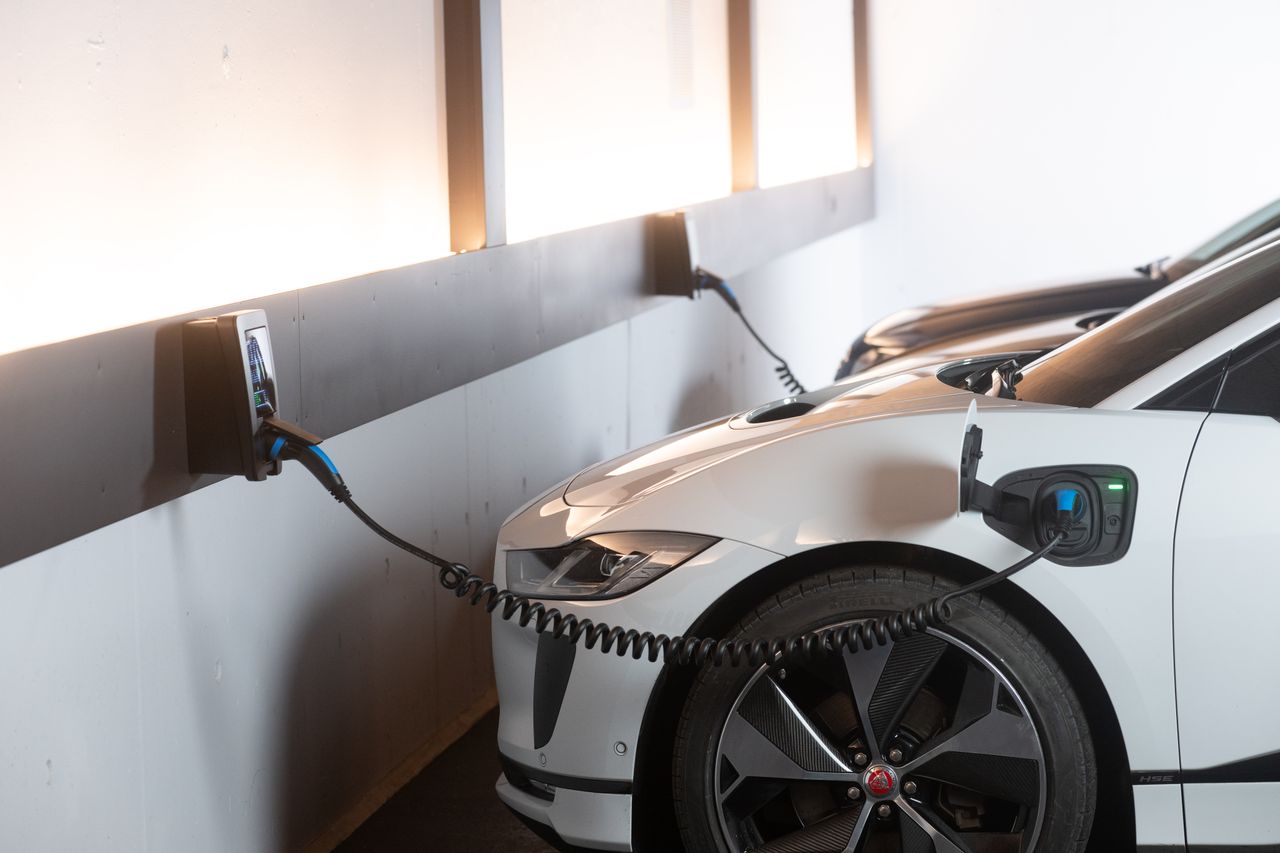
Many automotive manufacturers and technology companies believe that solid-state batteries could be the next major breakthrough in electric vehicle technology. Some experts even describe them as the innovation that could make EVs more practical and appealing to millions of additional drivers around the world.
What Is a Solid-State Battery?
A solid-state battery is a type of battery that uses a solid electrolyte instead of the liquid electrolyte found in traditional lithium-ion batteries.
In a conventional EV battery, lithium ions move through a liquid solution during charging and discharging. In a solid-state battery, this liquid is replaced with a solid material that performs the same function.
Although this may sound like a small change, it has the potential to dramatically improve battery performance.
Why Are Solid-State Batteries Important?
The excitement surrounding solid-state batteries comes from their ability to solve several common EV challenges.
Faster Charging
One of the biggest concerns for EV owners is charging time. Even with modern fast chargers, a full charge can take significantly longer than refueling a gasoline vehicle.
Solid-state batteries could reduce charging times substantially. Researchers believe future systems may be capable of charging much faster while maintaining battery health.

Longer Driving Range
Battery energy density is one of the most important factors in electric vehicle performance.
Solid-state batteries can potentially store more energy in the same amount of space. This means future EVs may travel much farther on a single charge without requiring larger battery packs.
For drivers who regularly travel long distances, this could be a game-changing improvement.
Improved Safety
Traditional lithium-ion batteries contain flammable liquid electrolytes. Under certain conditions, damage or overheating can increase the risk of thermal runaway.
Solid-state batteries use non-liquid materials, which may significantly reduce fire risks and improve overall battery safety.
This is particularly important as EV adoption continues to grow worldwide.
Longer Battery Life
Battery degradation affects all rechargeable batteries over time.
Researchers expect solid-state batteries to experience less wear and tear during charging cycles. If this proves true in large-scale production, future EV batteries could last much longer before needing replacement.
Challenges Facing Solid-State Batteries
Despite their promise, solid-state batteries are not yet ready to replace conventional lithium-ion batteries on a large scale.
High Manufacturing Costs
Producing solid-state batteries remains expensive. The materials and manufacturing processes are more complex than those used for traditional batteries.
Automakers are working hard to reduce these costs before mass-market adoption becomes possible.
Large-Scale Production
Building a prototype battery in a laboratory is very different from producing millions of batteries every year.
Manufacturers must develop reliable production methods that maintain quality while keeping costs competitive.
Durability Testing
Because the technology is still relatively new, engineers continue to test how these batteries perform under real-world conditions such as extreme temperatures, rapid charging, and long-term use.
Which Companies Are Leading the Race?
Several major automakers and battery manufacturers are investing billions of dollars into solid-state battery development.
Companies such as Toyota, Nissan, BMW, and Volkswagen are actively researching the technology.
Many of these companies hope to introduce solid-state battery vehicles within the next few years, although widespread adoption may take longer.
What Does This Mean for EV Owners?
For current EV owners, there is no immediate need to wait for solid-state batteries before purchasing an electric vehicle.
Today’s lithium-ion batteries are already capable of providing excellent performance, long service life, and reliable operation.
However, solid-state technology represents an exciting glimpse into the future. As the technology matures, drivers may enjoy:
- Faster charging sessions
- Longer driving ranges
- Improved battery safety
- Reduced battery degradation
- Lower long-term ownership costs
Final Thoughts
The electric vehicle industry is evolving rapidly, and solid-state batteries are among the most promising technologies currently under development.
While significant engineering and manufacturing challenges remain, the potential benefits are difficult to ignore. Faster charging, longer range, improved safety, and greater durability could make electric vehicles more practical than ever before.
The road to mass adoption may still take several years, but one thing is clear: solid-state batteries have the potential to transform the future of electric mobility.
As research continues and production costs decrease, the next generation of electric vehicles may be powered by batteries that are safer, stronger, and more efficient than anything we use today.