
Introduction
Electric vehicles are slowly becoming part of everyday transport discussions in Africa. Rising fuel prices, traffic congestion, and growing awareness of clean energy are pushing more drivers to explore alternatives.
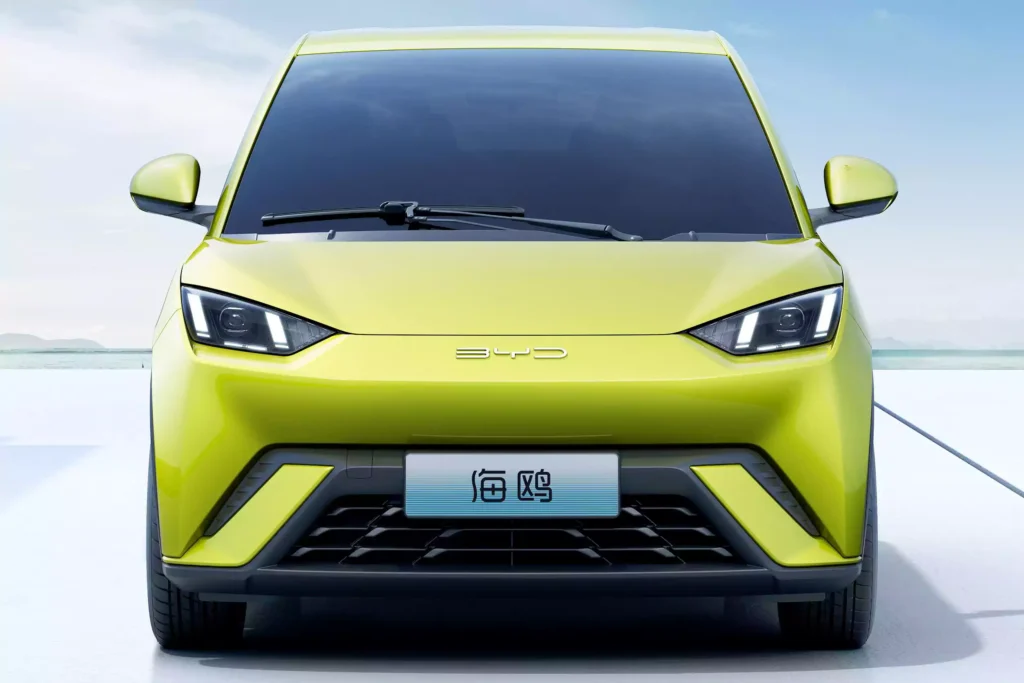
Among the new generation of affordable EVs, the BYD Seagull is standing out. It is not a luxury car or a high-performance machine. Instead, it is designed as a simple, affordable city electric car.
But could it actually become the most popular electric car in Africa by 2026? Let’s break it down.
What Is the BYD Seagull?
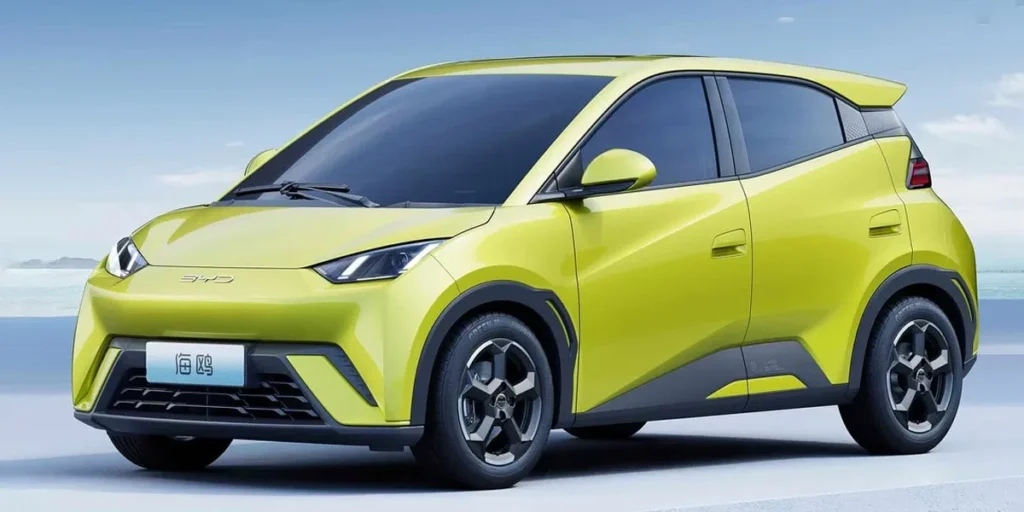
The BYD Seagull is a compact electric hatchback produced by BYD, one of the world’s largest EV manufacturers. It is designed for urban driving and entry-level electric mobility.
Key highlights include:
- Compact city-friendly size
- Fully electric drivetrain
- Modern but simple interior design
- Focus on affordability and efficiency
It is part of BYD’s strategy to make EVs accessible to mass markets, not just premium buyers.
Why the BYD Seagull Fits African Cities
African cities like Addis Ababa, Nairobi, Lagos, and Accra share similar driving conditions:
- Heavy traffic congestion
- Short to medium daily driving distances
- Limited parking space in urban areas
The BYD Seagull matches these conditions well because:
- It is easy to drive in traffic
- Small size makes parking simple
- Electric motor performs well in stop-and-go conditions
- Energy consumption is optimized for city use
For most drivers, especially commuters and delivery workers, this type of vehicle is more practical than large SUVs.
Affordability: The Biggest Advantage
One of the biggest barriers to EV adoption in Africa is price.
The BYD Seagull stands out because it is designed as a low-cost electric vehicle. Even after import taxes and logistics, it is expected to remain more affordable than many global EV models.
This makes it attractive for:
- First-time EV buyers
- Ride-hailing drivers
- Small business owners
- Urban commuters
In many African markets, affordability is the key factor, not luxury features.
Lower Running Costs Compared to Fuel Cars
Fuel prices continue to fluctuate across Africa. This creates long-term uncertainty for car owners.
Electric vehicles like the BYD Seagull offer a different cost structure:
- Charging is generally cheaper than fuel
- Fewer mechanical parts reduce maintenance costs
- No oil changes or engine servicing required
Over time, these savings can become significant, especially for high-mileage drivers.
Battery Technology and Safety
The BYD Seagull uses BYD’s Blade Battery technology, which is known for:
- Improved safety performance
- Better heat resistance
- Long cycle life
This is especially important in warmer climates, where battery temperature management matters.
While real-world performance depends on usage and charging conditions, BYD has built a strong reputation in battery safety compared to many entry-level EV manufacturers.
Charging Infrastructure in Africa
One major challenge for EV adoption is charging availability.
In many African cities:
- Public charging stations are still limited
- Home charging may require electrical setup
- Grid reliability varies by region
However, the BYD Seagull is suitable for early-stage EV adoption because:
- It supports overnight home charging
- Daily city range fits typical usage patterns
- It can operate efficiently with limited charging infrastructure
This makes it a realistic option even in developing EV ecosystems.
Why It Could Lead the EV Market in Africa
The BYD Seagull is not competing with luxury EVs. Its real competition is petrol-powered small cars.
It has several advantages:
- Lower running cost
- Simpler maintenance
- Suitable size for urban driving
- Increasing availability from Chinese EV exports
Most importantly, it fits how people actually drive in cities: short, frequent trips rather than long highway journeys.
Challenges It Will Face
Despite its strengths, there are still real challenges:
- Limited charging infrastructure
- Import taxes in some countries
- Awareness and trust in EV technology
- Initial purchase affordability for low-income users
These factors will influence how fast adoption grows.
Final Thoughts
The BYD Seagull represents a shift in electric mobility. It is not designed to impress with luxury or performance. Instead, it focuses on being practical, affordable, and efficient.
If EV infrastructure continues to grow across Africa and prices remain competitive, small city EVs like the Seagull could play a major role in shaping the future of transportation.
It may not replace all petrol cars soon, but it could easily become one of the first electric cars to reach mass adoption in African cities.